By NextGen Accountants Limited | Updated March 2026
Starting your journey as a sole trader is exciting. You’re your own boss, you control your income, and you make the decisions. But one question we hear all the time from new self-employed clients is:
“Do I legally need a business bank account?”
Let’s break it down clearly — especially with Making Tax Digital (MTD) now rolling out.
Is It a Legal Requirement?
No — it is not a legal requirement.
As a sole trader in the UK, you and your business are legally the same entity. Unlike a limited company, there’s no legal separation between “you” and “the business.” That means you can use your personal bank account to receive payments and pay business expenses.
However,…
👉 Just because you can doesn’t mean you should.
Why Most Sole Traders Should Separate Their Finances
Your Bank May Not Allow It
While it’s not illegal, most UK high street banks state in their terms and conditions that personal current accounts must not be used for business purposes.
If your bank detects:
- Multiple payments from different customers
- Regular invoice-style references
- High transaction volumes
They could:
- Restrict your account
- Freeze funds temporarily
- Close your account
That’s a breach of contract issue — not criminal — but it can seriously disrupt your cash flow.
Making Tax Digital (MTD) Changes Everything
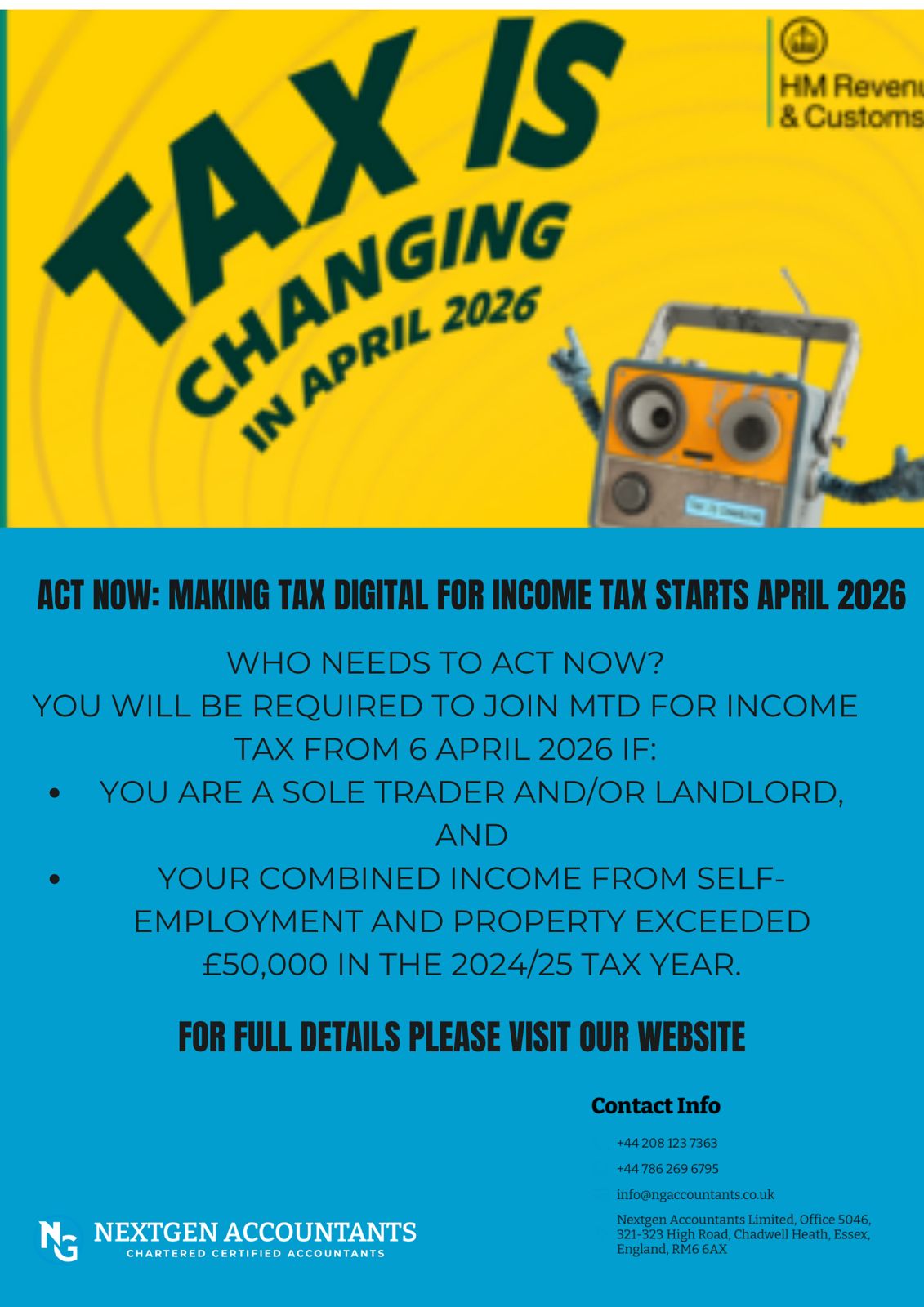
From April 2026, many sole traders earning over £50,000 must follow Making Tax Digital for Income Tax.
From April 2027, this will extend to those earning over £30,000.
MTD requires:
- Digital record keeping
- Quarterly updates to HMRC
- Compatible accounting software
If your personal and business transactions are mixed, quarterly reporting becomes far more complicated.
Business bank accounts integrate smoothly with software like:
- Xero
- Free Agent
- QuickBooks
This automation saves time, reduces errors, and keeps you compliant.
Tax Returns Become Much Easier
Imagine preparing your Self-Assessment and scrolling through:
- Grocery shopping
- Netflix
- Family holidays
- Client payments
- Software subscriptions
All in one statement.
Separating accounts means:
- 100% of transactions are business-related
- Expenses are easier to identify
- Your accountant spends less time sorting (saving you fees)
Clearer Profit Visibility
When everything runs through one account, it’s difficult to know:
- Are you actually making profit?
- How much should you set aside for tax?
- Can you afford new equipment?
A separate business account gives you real clarity on:
- Turnover
- Expenses
- Cash flow
- Tax reserves
This is crucial for sustainable growth.
When You Should Definitely Open One
You should open a business account immediately if:
✔ You’re earning consistently over £1,000 (Trading Allowance threshold)
✔ You claim business expenses
✔ You plan to apply for finance
✔ You invoice regularly
✔ You’re preparing for MTD compliance
✔ You want to look professional
What Type of Business Account Is Best?
Most modern sole traders choose digital challenger banks because they offer:
- Free or low-cost plans
- Instant setup
- App-based management
- Easy accounting software integration
Popular options include:
- Starling Bank
- Monzo
- Mettle
If you handle a lot of cash or cheques, a traditional high street bank may be more suitable — but usually at a higher cost.
The Bigger Picture: Professionalism & Growth
Clients feel more confident paying:
“NextGen Designs”
rather than
“John Smith”
A business account:
- Builds credibility
- Makes invoicing cleaner
- Prepares you for scaling
- Simplifies future transition to limited company
2026 Reality: It’s Not Just About Legality Anymore
In today’s digital tax environment, separating finances is less about rules and more about:
- Efficiency
- Compliance
- Risk management
- Business intelligence
The sole traders who succeed long-term treat their business like a business from day one.
Final Verdict
❌ Not legally required
✅ Strongly recommended
🚀 Practically essential for growth and MTD compliance
Need Help Setting Up Properly?
At NextGen Accountants Limited, we help sole traders:
- Set up properly from day one
- Choose the right banking solution
- Prepare for Making Tax Digital
- Reduce tax stress
- Stay fully compliant
📞 +44 208 123 7363
📱 +44 786 269 6795
📧 info@ngaccountants.co.uk
📍 Office 5046, 321–323 High Road, Chadwell Heath, Essex, RM6 6AX
Disclaimer: This blog is for general information only and does not constitute professional advice. NextGen Accountants accept no liability for any loss arising from reliance on its content — please seek tailored advice before making decisions